Search for:
Sea Fishing in Spain: Mediterranean Species, Techniques and Charters

From bottom fishing for sea bream to high-thrill trolling for bonito and tuna, sea fishing in Spain provides an adrenaline-packed maritime adventure for beginners and experienced anglers alike.
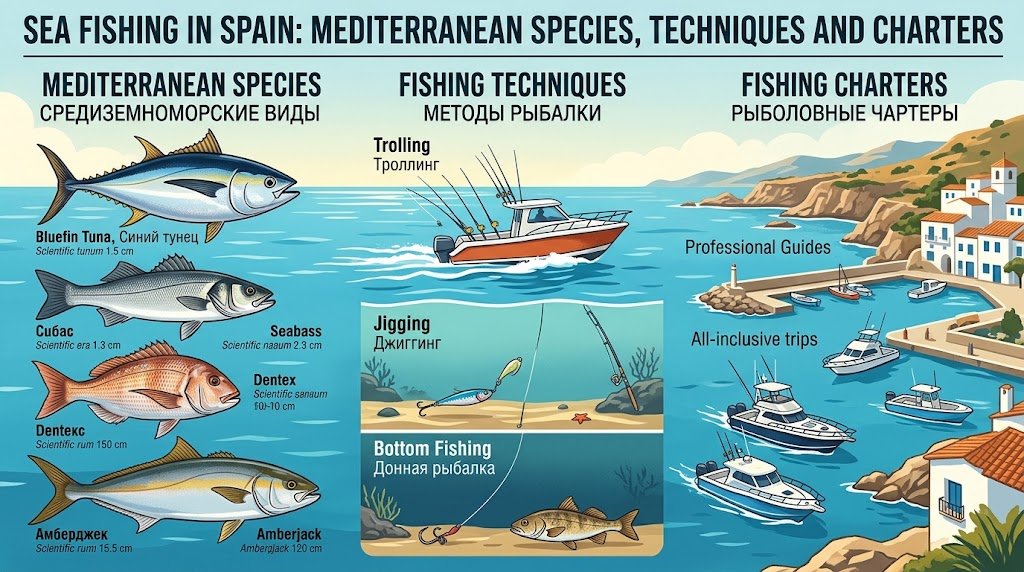
Mediterranean Sea Fishing: What Can You Catch in Spain?

The waters of Costa Blanca and the western Mediterranean are rich with diverse marine life. Depending on the season and fishing technique, common catches include:

  • Gilthead Seabream (Dorada) & Sea Bass (Lubina): Highly prized table fish found near rocky shores, ports, and sandy shallows.
  • Atlantic Bonito & Little Tunny: Voracious predatory pelagic species caught by trolling spoons, plugs, or casting jigs in deeper offshore drop-offs during summer and autumn.
  • Dentex (Dentón) & Grouper (Mero): Fierce fighters inhabiting deep reef structures, caught by slow jigging or live bait bottom fishing.
  • Squid (Calamar) & Cuttlefish (Sepia): Popular targeted species during autumn and winter evenings using egi squid jigs.

Spanish Fishing Licenses & Regulations

In Spain, maritime recreational fishing requires a recreational fishing license (Licencia de Pesca Marítima de Recreo) issued by the regional autonomous community (e.g., Generalitat Valenciana). When booking an organized boat fishing charter, the vessel’s commercial license typically covers all passengers on board.

Charter vs. Self-Drive Fishing Boat

If you have experience, renting a motor boat equipped with a fish finder (sonar) lets you explore coastal reefs at your own pace. For offshore big game or pelagic trolling, booking an experienced local skipper with tackle and bait included guarantees finding the productive underwater canyons and feeding zones.
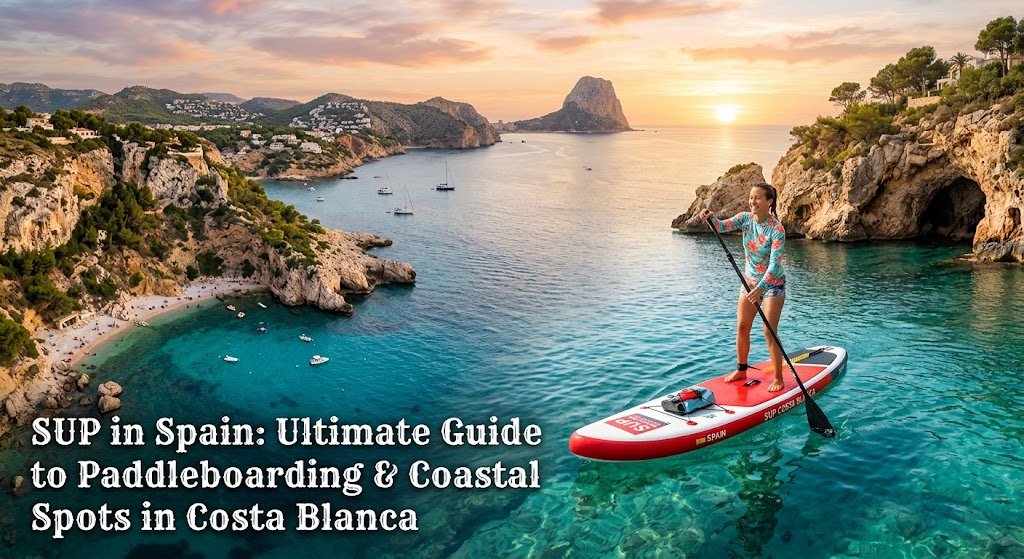
SUP in Spain: Ultimate Guide to Paddleboarding & Coastal Spots in Costa Blanca

Stand Up Paddleboarding (SUP) and paddle surfing have become a central part of coastal life in Spain. With calm morning waters, rich marine life, and scenic sandstone cliffs, Spain’s Mediterranean coast is an absolute paradise for paddling enthusiasts.

Why Costa Blanca is Ideal for Paddleboarding

Unlike the Atlantic coast with powerful breaking surf, the Mediterranean around Torrevieja and Alicante offers glassy, mirror-flat water conditions during the early morning hours. This creates optimal conditions for distance touring, sunrise paddle sessions, fitness, and coastal cave exploration.

Top SUP Spots Around Torrevieja and Alicante

  • Playa de los Locos & Cala de la Higuera: Pristine rocky lagoons with exceptional underwater visibility, perfect for combining paddle touring with snorkeling.
  • Cala Ferris Palm Cove: A natural palm oasis with gentle water entry. Watching the Mediterranean sunrise from a paddleboard here is an unforgettable coastal experience.
  • Mar Menor & La Manga: A short trip south, Europe’s largest saltwater lagoon offers sheltered, warm, shallow water—ideal for SUP yoga, endurance paddling, and beginners.

Choosing Gear for Mediterranean Paddleboarding

For touring rocky Spanish coves, all-around or touring inflatable SUPs (10’6″ to 11’6″) pumped to 15–18 PSI offer excellent glide and durability. Always paddle with a safety coil leash, a bright PFD (life vest), and a dry bag for communication devices.

Connecting with the FreeWIND Community

FreeWIND is an open club and blog connecting sea lovers across Spain. Whether you are looking for route coordinates, paddling buddies, or advice on weather conditions, our community shares honest, firsthand advice from the water.

Motor Boating in Spain: Coastal Cruising Guide & Best Routes on Costa Blanca

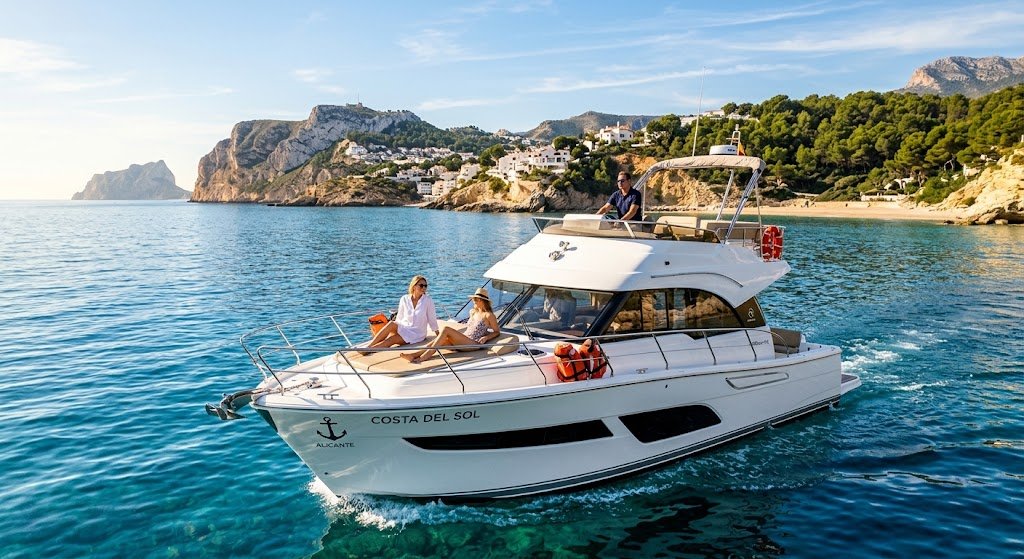
Looking for the ultimate maritime freedom on the Mediterranean? Exploring Spain’s coastline by motor boat—especially along the picturesque Costa Blanca—is one of the most rewarding adventures for water sports enthusiasts.

Why Costa Blanca is a Motor Boater’s Haven

The eastern coast of Spain enjoys over 300 days of sunshine each year, warm temperatures, and calm sea conditions. Torrevieja and neighboring ports (such as Cabo Roig and Santa Pola) provide ideal departure points for exploring secluded marine reserves, rocky coves, and scenic offshore routes.

Understanding Boating in Spain: License vs. License-Free Regulations

For visitors and residents in Spain, maritime regulations make getting on the water very accessible:

  • License-Free Boats (Sin Titulación): Under Spanish maritime law, anyone over 18 can skipper motor boats up to 5 meters in length with engine power up to 15 HP (11.2 kW) during daytime hours within coastal waters without requiring a skipper’s license. They are stable, safe, and intuitive to handle.
  • Licensed Cruising: Boaters holding recognized international qualifications (RYA Day Skipper, ICC, or Spanish PER/PNB) can navigate larger speedboats and offshore cruisers, opening up voyages to offshore islands and remote coastal stretches.

Pro Tip: If you are an expat residing in Spain and considering purchasing or mooring your own private vessel, registering under a European registry can minimize inspection bureaucracy. Check out our technical guide on registering a boat or yacht under the Polish flag in Spain for registration rules, survey exemptions, and tax requirements.

Top Coastal Spots to Explore by Motor Boat

  1. Tabarca Island (Isla de Tabarca): The premier marine reserve in the region, featuring crystal-clear snorkeling waters, historical pirate ramparts, and picturesque anchorage points.
  2. Cala Ferris & Cala Mosca: Secluded coves fringed by wild palm trees and golden sand, ideal for anchoring, swimming, and paddle sports (explore the local shore guide to Torrevieja beaches and natural coves).
  3. Cabo Roig & Campoamor Cliffs: Dramatic coastal topography with deep clear water, popular for scenic cruising and dolphin spotting.

Essential Safety & Navigation Tips

Before leaving the marina, always check the AEMET marine weather forecast (wind knots, swell direction), respect designated swimming buoy lines (200m from beaches), keep certified life jackets on board, and carry fresh drinking water and sun protection.